Need polyaspartic floor coating in Riverside?
Request a callback to check provider availability, or send a request through the form. Harvardconclusion Floor Coating passes your details to an independent local provider.
No obligation
Epoxy garage floors and coatings across the Riverside area
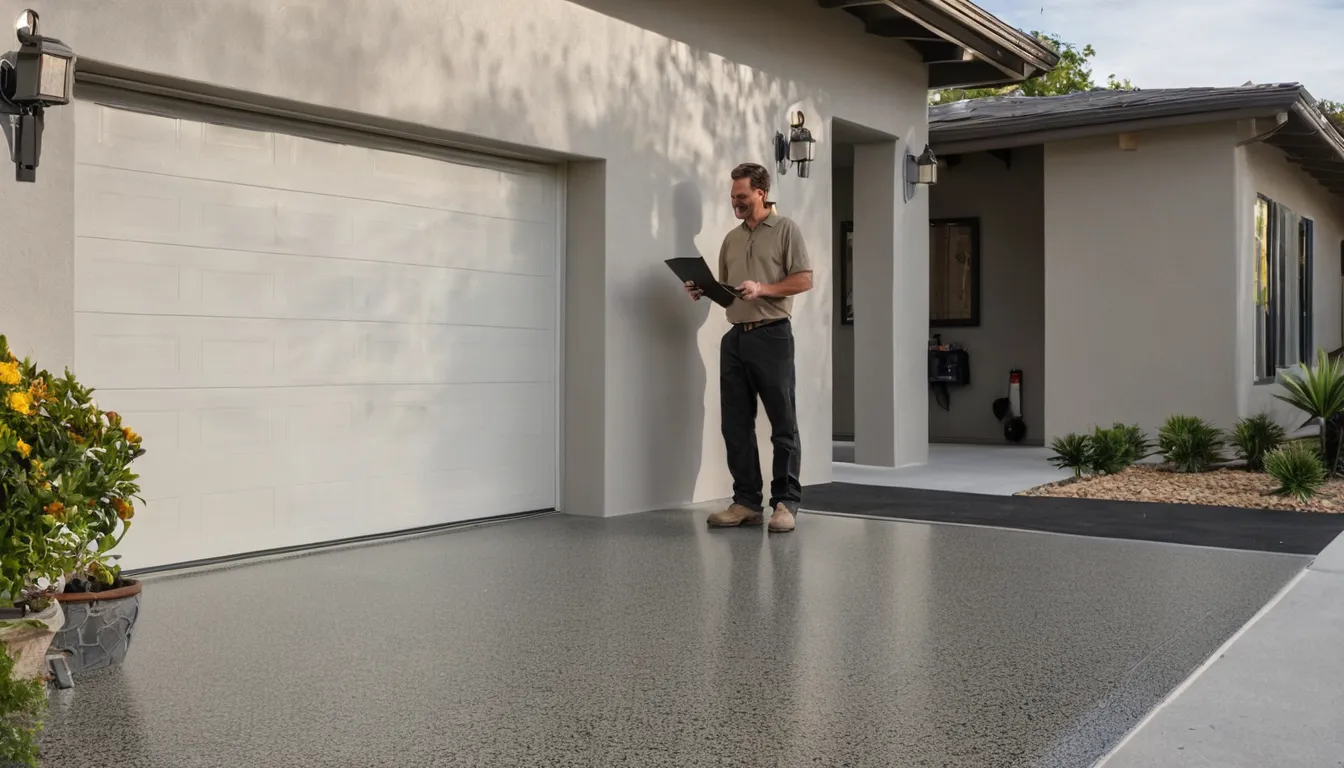
Polyaspartic is a tough, fast-curing coating for concrete. It goes on in thin, quick-setting layers and finishes hard, glossy, and ready for cars, tools, and foot traffic. Many homeowners pick it when they cannot leave the garage torn up for long.
Harvardconclusion Floor Coating is a referral service. We do not do the coating work. We connect homeowners in the Riverside area with independent local providers who prep the slab, apply the system, and talk through colors and timing. This page covers what to expect, what you can safely handle yourself, and where to stop and let a provider take over.
Polyaspartic is the coating people choose when a long wait is a deal breaker. Many systems cure fast, so the car may roll back in sooner than with older coatings. Your provider will give you the real timeline for your slab.
Request a callback to check provider availability in the Riverside area.
Prep beats paint. Before anyone talks about colors, look at the concrete. Walk the floor with a flashlight held low. Mark cracks, flaking spots, oil stains, and low areas where water sits.
Tape a clear plastic sheet to a bare patch overnight. If the underside is damp in the morning, moisture is rising through the slab. Take a photo and tell the provider. Moisture is a common reason a coating fails, so it needs a plan before anything gets applied.
Both are concrete coating options, and both can look great. The difference is mostly speed and flexibility. Epoxy garage floors usually build thickness in slower, heavier layers. Polyaspartic sets up quickly in thinner layers and tends to resist yellowing from sunlight.
That quick set cuts both ways. It leaves less working time, which is why a trained installer matters. This is a good spot to know where to stop. Leave the mixing and rolling to a pro.
You will hear two setups.
Ask the provider which one fits your slab, your schedule, and how you use the space.
You can save the provider time with a weekend of simple work.
Know where to stop. Grinding, crack repair, and moisture testing are provider jobs. Rental grinders are heavy and the dust is harsh.
The provider grinds the surface so the coating can grip. Cracks and chips get filled and leveled.
A primer goes down first. Then comes the color coat, often with decorative flakes broadcast by hand.
A clear polyaspartic topcoat seals the floor. Then the floor needs time to harden before cars and heavy items return.
Garages are the obvious fit, but the coating also suits workshops, basements, laundry rooms, patios, and covered porches. Sunlight, hot tires, and spilled fluids are all things it handles well.
Some providers in our network also handle other flooring jobs, such as hardwood flooring installation inside the house. If you have more than one project, mention it when you talk.
Slabs behave differently across a year. Long dry seasons are friendly to coatings. Winter rain can push moisture up through concrete, and smoke seasons can leave fine ash on everything. Mild coastal temperatures are easy to work in, though cool, damp mornings can slow some jobs.
A provider will check temperature and slab conditions before they start. If the weather is off, a short delay often beats a rushed coat.
This is the fun part. Custom floor finishes can range from a solid gray to a full flake blend that hides dust and tire marks. Mixed flakes in tan, gray, and black hide dirt well. Dark solid colors show every speck.
Take a picture of your garage in daylight and in the evening. Ask to see a sample board under both kinds of light before you decide.
Care is simple. Sweep or dust-mop weekly. Wipe spills when they happen. Mop with a mild cleaner and clean water. Skip harsh solvents and abrasive pads, which can dull the gloss.
Use mats or pads under jack stands and heavy tool cabinets. Ask the provider when it is safe to park hot tires and when to wait before washing.
Get answers in writing so you can compare quotes fairly.
If your floor is chipping, stained, or just worn out, early action keeps the fix small. Request a callback to ask about providers near you, or send a request and compare notes later.
Grinding, crack filling, and cleaning so the coating grips the concrete and lasts.
Solid colors or decorative flake blends, chosen from samples you can view in your own light.
A glossy polyaspartic layer that resists scuffs, hot tires, sunlight, and everyday garage spills.
Clear advice on when to walk, park, and wash after the coating goes down.
Prices depend on slab condition, size, and the system chosen. These are typical U.S. ranges only. Local rates differ, so ask each provider for a written quote that lists exactly what is included.
| Item | Typical range | Notes |
|---|---|---|
| Full polyaspartic, per sq ft | $7 – $14 | Common range for primer, color, and clear topcoat |
| Two-car garage, about 400 sq ft | $3,000 – $6,500 | Varies with prep needs and flake choice |
| Hybrid epoxy and polyaspartic, per sq ft | $5 – $10 | Epoxy base with a polyaspartic top layer |
| Crack and chip repair | $150 – $700 | Depends on number and size of cracks |
| Heavy grinding or old coating removal | $1 – $3 per sq ft | Needed for peeling or thick old coatings |
| Moisture treatment or sealer | $1 – $3 per sq ft | Only needed when moisture tests call for it |
Sweep, scrape, and photograph cracks, stains, and damp spots so you can describe the floor clearly.
Request a callback to check provider availability, or send an estimate request through the form.
Compare scope, prep method, system type, and timeline in writing before choosing.
Clear the garage, then let the provider grind, coat, and explain cure times.
Skip the endless browsing. We point you toward independent providers in our network who handle this work.
We are a referral service. Local providers do the work and set their own terms.
Plain advice on what you can handle and when to hand it off.
Ask each provider for scope and price in writing before you decide.
Request a callback to check provider availability, or send a request through the form. Harvardconclusion Floor Coating passes your details to an independent local provider.
Request a callback to check provider availability, or send a request through the form. Harvardconclusion Floor Coating passes your details to an independent local provider.
No obligation